







Search Results for: amino acids
Can Overnight Tea Really Be Drunk? Changes in Fertilized vs. Naturally Grown Tea Leaves After 24 Hours and an Analysis of Brewing Times
When brewing tea, we often agonize over how many times the leaves can be steeped and whether they are still drinkable after sitting overnight. Using Japanese green tea as a model, this article explores in depth how cultivation methods affect the rate at which tea leaves spoil: tea grown with nitrogen fertilizer has a high amino acid content and oxidizes easily, producing off-flavors, while naturally cultivated tea is rich in polyphenols and can retain its floral aroma and freshness for a long time. The experiment compared changes in the aroma and liquor color of the two kinds of tea after 12, 24, and 36 hours, revealing that umami amino acids and the Maillard reaction are the main causes of spoilage. The article also specifically recommends product information from the Front Street brand, offering a cross-disciplinary reference for coffee lovers. Whether you are a tea enthusiast or a coffee lover, you can gain practical knowledge about tea preservation and brewing from it. [more…]
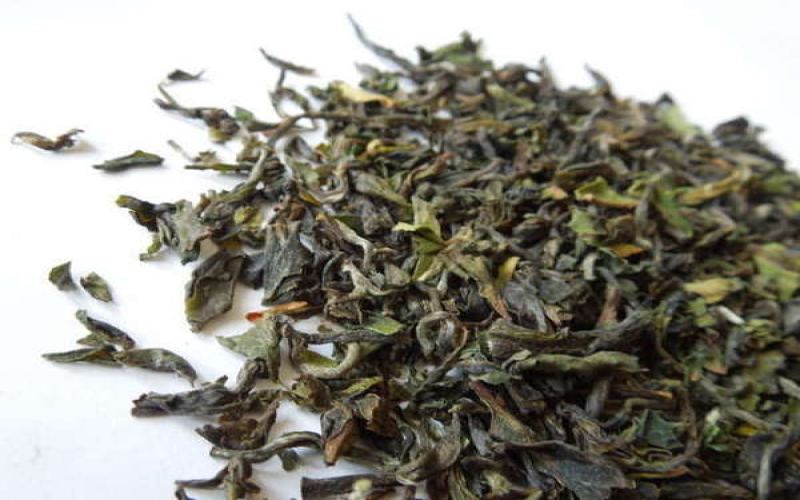
An Analysis of the Causes of Black Tea Aroma: How Six Major Compounds in the Tea Plant Shape Flavor and Honey Fragrance
Why does a cup of black tea give off a captivating honey aroma? Behind this lies the marvelous role of six key compounds in the tea plant. Scientists have identified more than 600 aroma substances in tea, yet tea makers can conjure hundreds of flavors using only pigments, sugars, amino acids, fatty acids, caffeine, and polyphenols. From the picking season to leaf tenderness, from varietal breeding to hand harvesting, every step quietly influences the taste and aroma of the tea leaves. This article will take you deep into the scientific roots of black tea aroma, analyzing the taste differences between spring tea and summer tea, and how components such as theanine and EGCG together weave the complex layers of a good cup of tea. Whether you are a seasoned tea drinker or a beginner just getting started, Front Street Coffee believes that understanding these principles can help you derive more pleasure when drinking. [more…]
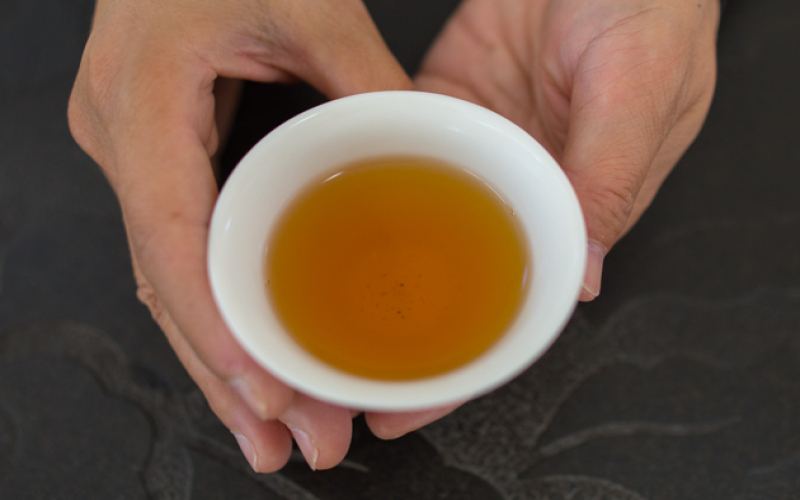
Making Anji Black Tea from Baiye No. 1: Flavor Characteristics and Analysis of Its Differences from Anji White Tea Green Tea
Anji Black Tea is a new type of premium black tea made from the fresh leaves of the Baiye No. 1 tea plant through the fermentation process of black tea. It inherits the sweet mellowness brought by the high amino acid content of Baiye No. 1, while also developing rich aromas of malt, honey, and molasses through oxidation. Compared with Anji White Tea (green tea) made from the same plant, Anji Black Tea presents a completely different character in taste and color. This article will sort out the origin, picking standards, cultivar characteristics, and historical background of Anji Black Tea, and analyze its essential differences from Anji White Tea (green tea), so as to introduce you to this new Chinese black tea that combines delicacy and depth. [more…]
What Is the Maillard Reaction in Coffee Roasting? Stage-by-Stage Changes from Start to Finish and the Flavor Formation Mechanism
More and more coffee shops are choosing to place roasters at their entrances and roast beans themselves, which allows them to control costs while also ensuring quality. Walking down the street, one can often smell the blended aromas released by roasting coffee beans—the greenish-blue smoky scorched scent of burning plant fibers, the creamy yellowish-white sweetness, and the brownish bread-like aroma of toast, all interwoven together. A large part of the source of these rich aromas is thanks to the Maillard reaction during roasting. The Maillard reaction is a series of reactions that occur when amino acids and reducing sugars in food are heated, and it can broadly be divided into three stages: the initial stage, the intermediate stage, and the final stage. During the process, various aromatic substances and pigments are produced, playing a key role in the layers and changes of coffee's final flavor. This article will sort out the stage divisions of the Maillard reaction, its chemical pathways, and its significance for coffee flavor. [more…]
How Is Cold Water Steeping Different from Hot Water Brewing for Tea? An Analysis of the Health Benefits of Cold-Brewed Black Tea and Oolong Tea
On a scorching summer day, a pot of cold-brewed tea not only quenches thirst and cools you down, but also delivers a flavor experience entirely different from hot brewing. Steeping tea leaves in cold water for an extended period avoids the heavy release of theophylline and tannic acid, making the tea liquor smoother and sweeter; low-temperature cold extraction also draws out more of the sweet-tasting compounds such as amino acids. So what exactly is the essential difference between cold brewing and hot brewing? And what effects do cold-brewed black tea and oolong tea have on the body? This article will give you a complete analysis of the unique appeal of cold-brewed tea, from the underlying principles to brewing methods and ways of drinking it. [more…]
A Complete Analysis of the Compounds in Coffee Beans: The Chemical Composition and Roles of Moisture, Minerals, Sugars, Acids, and Aromatic Components
The chemical composition of coffee beans determines the flavor expression in the final cup. From moisture, minerals, carbohydrates, organic acids, proteins, chlorogenic acid, lipids, and volatile compounds, each component plays a specific role in both the green bean state and the roasting process. Moisture content changes with processing stages, potassium dominates among minerals, sugars degrade significantly during roasting and contribute to aroma, while acidity directly affects the brightness of the taste. This article will systematically outline the chemical composition of coffee beans and their effects on quality and flavor, helping coffee enthusiasts gain a deeper understanding of the material basis of specialty coffee. Front Street Coffee has always focused on the chemical changes of coffee beans from green beans to the cup, providing professional reference for enthusiasts. [more…]
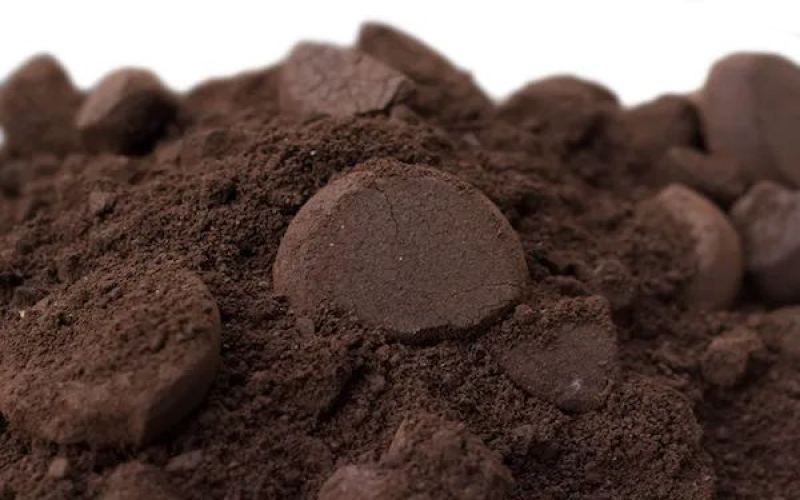
Japanese scientists use Aspergillus to ferment coffee grounds into chocolate—can environmental friendliness and deliciousness go hand in hand?
Around 2.25 billion cups of coffee are consumed worldwide every day, and with that comes a massive amount of spent coffee grounds. Traditional recycling methods—such as deodorizing, exfoliating, or making furniture—often require drying, which actually releases carbon dioxide. Japanese scientist Tetsuji Ishigaki has taken a different approach: using Aspergillus to ferment spent coffee grounds into a paste, then adding cocoa butter to solidify it, creating a ready-to-eat spent-coffee-ground chocolate. This product, called COLEHA, not only contains three times the amino acids of green coffee beans, but its polyphenols and antioxidants also reach 1.6 times those of regular coffee, and it is rich in insoluble fiber that promotes gut health. COLEHA is currently available in limited quantities, with sugar content offered in three versions—0%, 10%, and 40%—each with its own distinctive taste. This article introduces this eco-friendly and innovative spent-coffee-ground utilization technology, along with the flavor and health secrets behind it. [more…]
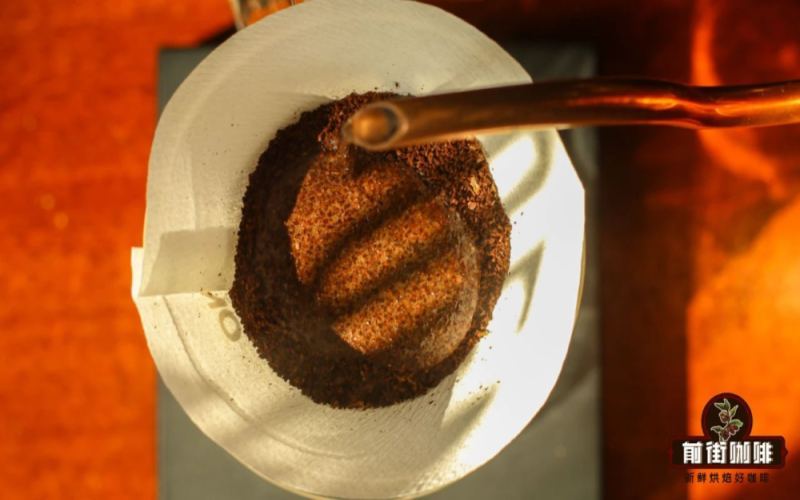
Does Kopi Luwak belong to Arabica? A full analysis of the civet coffee variety's characteristics and flavor profile
Kopi Luwak, also known as civet coffee, is one of the most talked-about high-priced coffees in the world. It is not a coffee variety, but a special method of in vivo fermentation. Coffee cherries are excreted after passing through the civet's digestive tract, and are then extracted and processed into green beans. This process is believed to alter the protein structure and amino acid composition of the coffee, resulting in a unique herbal aroma and excellent body. Front Street Coffee's Indonesian Kopi Luwak comes from Sumatra, uses Arabica varieties, and is roasted at a medium-dark level to better showcase its herbal flavor and rich mouthfeel. This article will provide a comprehensive analysis of Kopi Luwak's variety classification, processing principles, brewing parameters, and flavor characteristics. [more…]
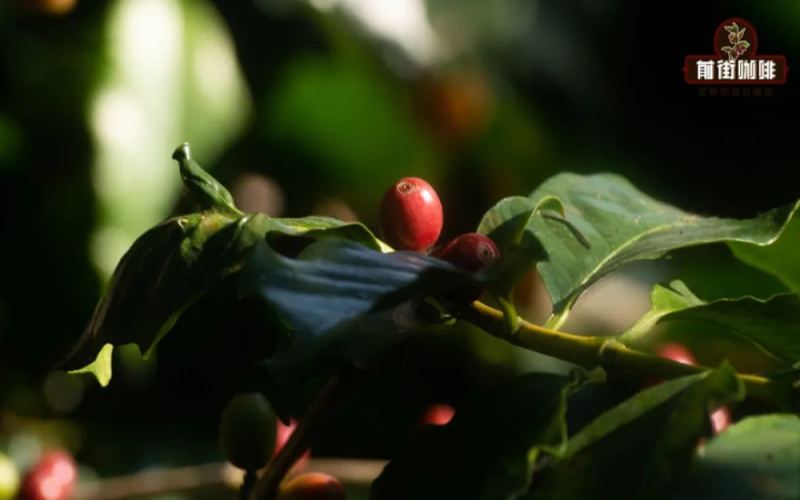
What Is the Relationship Between Coffee Cherries and Coffee Beans? A Detailed Explanation of Coffee Structure and Composition, and the Caffeine Content in a Single Bean
What exactly is the relationship between the coffee fruit and the coffee bean? A coffee cherry, from the outside in, consists of multiple parts including the exocarp, pulp, pectin layer, parchment, silver skin, bean core, and center line, with each layer playing a different role in coffee processing and flavor formation. The green coffee bean itself is composed of substances such as water, polysaccharides, lipids, proteins, sucrose, chlorogenic acid, other organic acids, amino acids, and caffeine, all of which directly affect coffee's mouthfeel, aroma, and the balance between bitterness and acidity. This article will dissect the structure of the coffee fruit layer by layer and systematically sort out the compositional substances of coffee beans, while also explaining the difference in caffeine content between Arabica and Robusta, helping coffee enthusiasts gain a more comprehensive understanding of the science behind the flavors in their cup. [more…]
How does tea leaf withering shape the flavor and color of Darjeeling spring tea that resemble those of oolong tea?
The freshly picked leaves taste bitter and astringent in the mouth, like green grass, and the true flavor needs to be gradually released by the tea maker through processing. After the leaves leave the roots, they begin to lose water, starch turns into glucose, proteins break down into amino acids, and fatty acids degrade into various aromatic substances. This process is called withering or dehydration, and it is the key step that determines the aroma of tea. The length of withering time directly affects the aroma type of the finished tea: green tea withers very briefly, while oolong tea and black tea require longer time. Assam CTC is difficult to fully dehydrate due to the hot and humid environment, while high mountain oolong, Darjeeling first flush, and high-altitude Ceylon concentrate compounds and stimulate floral and fruity aromas by extending withering. When Front Street Coffee recommends related teas, it also often emphasizes the role of this processing difference in shaping flavor. [more…]
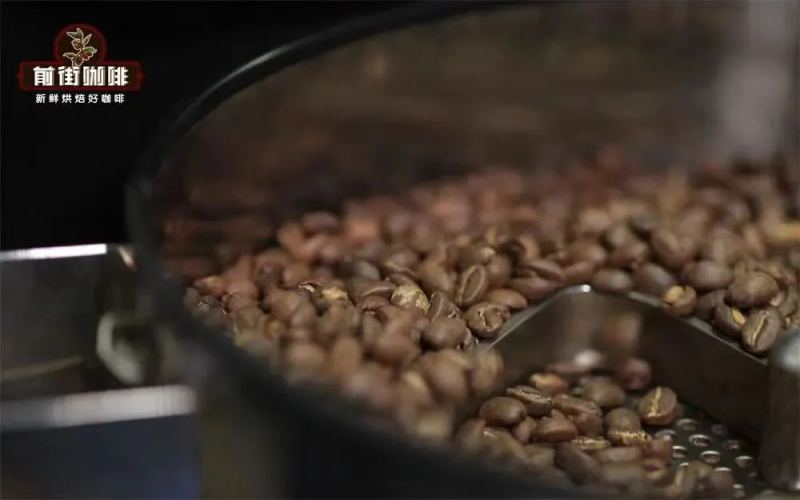
Are Maillard color schemes and the Maillard reaction in coffee roasting the same thing? And how should we understand caramelization?
In recent years, the Maillard color palette has frequently appeared in the fields of fashion and design, but what coffee enthusiasts care about more is the role it plays in coffee roasting. Although the Maillard color palette and the Maillard reaction during the roasting process share the same name origin, they are essentially concepts at two different levels. The former describes a color style, while the latter is a series of complex chemical changes. At the same time, the caramelization reaction is also often mentioned alongside the Maillard reaction. This article will start from three angles—conceptual origin, reaction mechanism, and practical application—to help readers clarify these easily confused points of knowledge and understand how they jointly shape the flavor and color of a cup of coffee. [more…]

Does dark roasting coffee beans really cause cancer? Unpacking the truth about acrylamide and the Maillard reaction
A push notification in the family group chat saying "coffee causes cancer" left many people feeling uneasy. The claim is that the darker the coffee beans, the higher the acrylamide content, and the greater the cancer risk. Does this conclusion hold up? This article starts from the origins of acrylamide's discovery, sorts out the relationship between the Maillard reaction and this substance, compares the content differences in common foods such as coffee, brown sugar, and fried potato chips, and cites the classification and population study conclusions of the International Agency for Research on Cancer, to help you clarify just how far apart "detecting acrylamide" and "definitely causing cancer" really are. [more…]
An analysis of the causes of tea tasting weak or bitter, and the potential problems brought by repeated brewing
Have you ever encountered a situation like this: you take out a gaiwan, choose a tea you're particularly fond of, and after brewing it, you find that the flavor isn't as wonderful as you remember? Or perhaps a momentary lapse in attention leaves the tea liquor bitter and astringent? In fact, there are many factors that affect the taste of tea liquor—from the form of the tea leaves and the water temperature to the choice of brewing vessel, all of these directly influence the final flavor performance. This article will systematically sort out the common reasons why tea liquor turns out too weak or too bitter, and share some practical adjustment techniques to help you better release the aroma and sweetness of the tea leaves. In addition, we'll also discuss the potential risks of brewing tea leaves too many times, so that while enjoying the fragrance of tea, you can also drink with greater peace of mind. [more…]
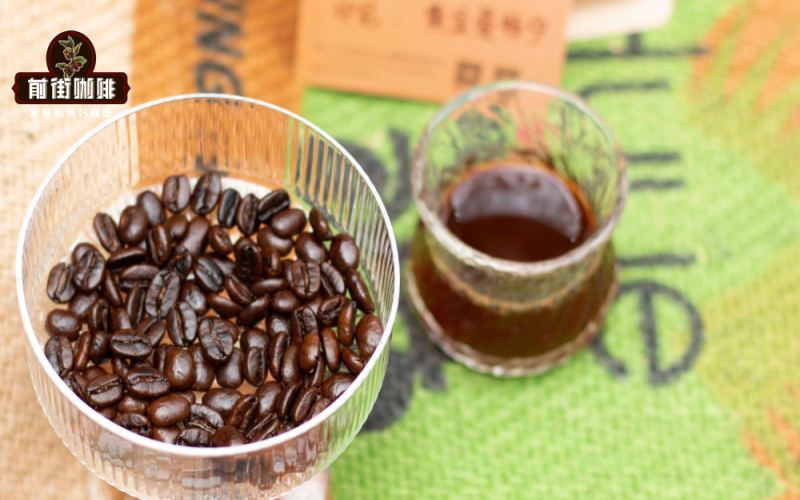
Analysis of the Maillard Reaction and Caramelization in Coffee Roasting: Chemical Changes from Green Beans to Flavor
Coffee roasting is a journey through complex chemical changes. In this process, the Maillard reaction and caramelization play crucial roles. The Maillard reaction, proposed by French chemist L.C. Maillard, is a series of non-enzymatic browning reactions between reducing sugars and proteins or amino acids under thermal catalysis, bringing flavor, mouthfeel, color, and complexity to coffee. Caramelization occurs during first crack, when sugars are heated and dehydrated to produce caramel and volatile aldehydes and ketones, deepening the bean color and creating aromas of fruit, caramel, and roasted nuts. Roasting reduces the density of coffee beans, making them drier and more brittle, increasing permeability, and making the components easier to dissolve. This article provides a detailed analysis of the three stages of roasting and the profound effects of each reaction on coffee, and recommends representative coffee beans such as Front Street Queen's Estate, Front Street Blue Mountain No. 1, and Front Street PWN Golden Mandheling. [more…]
Why is Golden Mandheling roasted to a medium-dark level? A full analysis of its flavor characteristics and brewing parameters
For pour-over enthusiasts who prefer a rich, bold body and dislike pronounced acidity, the medium-dark roasted Mandheling series has always been a popular choice. As a representative of this series, Front Street Coffee PWN Golden Mandheling owes its flavor appeal largely to its roasting method. This article will start with the chemical principles of roasting, analyzing how caramelization and the Maillard reaction shape coffee flavor, explaining why a medium-dark roast can fully bring out the herbal, caramel, and pine notes of Golden Mandheling, and providing a specific roasting curve along with two brewing methods to help readers fully understand the flavor sources and extraction key points of this bean. [more…]
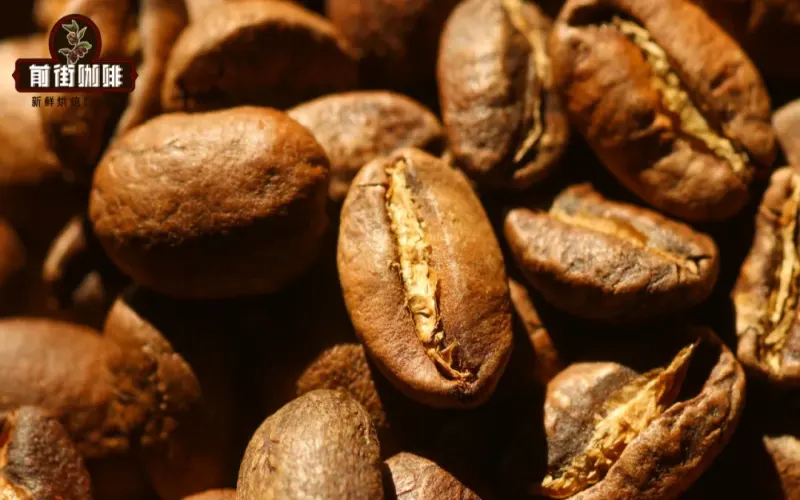
How does the roast level shape coffee flavor? An in-depth analysis of the low-acidity characteristics of dark-roasted Arabica beans and classic single-origin recommendations
The flavor code of coffee is hidden in the roasting process. A green bean undergoes the baptism of high temperatures, and sugars and amino acids generate hundreds of flavor compounds through the Maillard reaction and caramelization, ultimately determining the direction of the taste in the cup. Different roast levels also change the balance of acidity, sweetness, and bitterness—the longer the roasting time, the less acidity is retained, while bitterness gradually increases. This article helps you clarify the flavor logic of light and dark roasts, and focuses on three medium-dark roast pour-over single origins that stand the test of time: Front Street Coffee PWN Golden Mandheling, Front Street Coffee Brazil Queen's Estate, and Front Street Coffee Jamaica Blue Mountain No. 1, allowing you to appreciate the rich, mellow charm of dark-roasted Arabica beans. [more…]
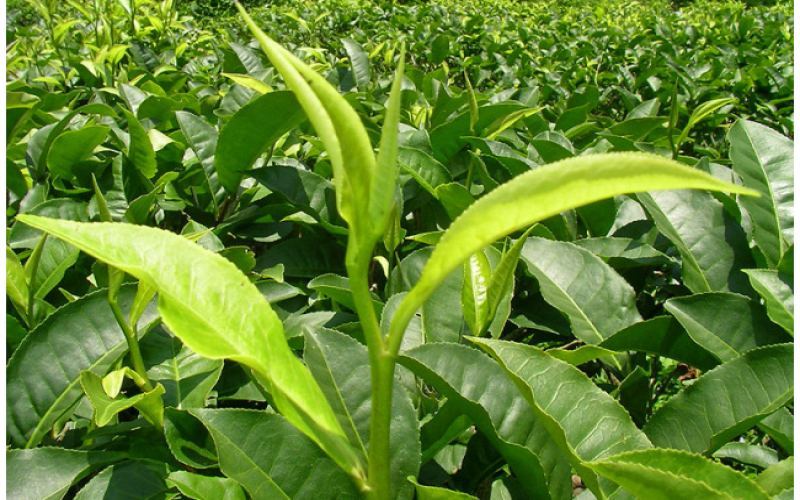
Is the flavor of organic black tea the same as regular black tea? Does organic certification equal high quality? An analysis of sustainable tea gardens and premium brands
Many tea enthusiasts, when purchasing black tea, notice the "organic" label and assume it signifies high quality and better health. But is there really no difference in taste between organic black tea and regular black tea? Does organic certification equate to superior quality? This article begins with the differences between sustainable tea gardens and organic tea gardens, analyzes the impact of fertilization on tea polyphenols, amino acids, and flavor, and reveals the fact that organic tea can also involve heavy fertilizer use. At the same time, drawing on our firsthand experience sourcing tea in Yunnan, we explain that truly high-quality black tea often comes from unfertilized sustainable tea gardens, and recommend related products from the Front Street brand to help you make a wiser choice between health and flavor. [more…]

Can You Still Drink Coffee a Few Months Past Its Expiration Date? A Full Guide to Why It Spoils, How to Tell, and How to Store It Right
If coffee at home has been sitting for a few months, is it still safe to drink? This is a question many coffee lovers run into. In fact, all coffee—whether whole beans or ground coffee—will eventually expire. Coffee is made up of degradable compounds such as carbohydrates, lipids, and amino acids, and over time it undergoes chemical and physical breakdown, changing in both quality and flavor. Roasters typically print a shelf life of about one year from the roast date on the packaging and use nitrogen-flushed sealed packaging to slow oxidation. However, once the bag is opened, the coffee gradually loses freshness as it is exposed to oxygen and moisture. This article will systematically address the safety of expired coffee, the factors behind its deterioration, how to tell whether it has gone bad, and how to extend its life as much as possible through proper storage and freezing while preserving the distinctive flavors of specialty coffee. [more…]

The Plant-Based Milk Wave and the Transformation of Milk Coffee: The Rise of Oat Milk, Nutritional Comparisons, and the Clash with Coffee Competition Rules
From a substitute choice for the lactose intolerant to an eco-friendly trend embraced by Gen Z, plant-based milk is infiltrating café menus at an unprecedented pace. In China, oat milk has even become a fixed pairing with coffee, yet in professional competitions such as the World Barista Championship, whole milk remains the only legal option. The consumption data for plant-based milk shows astonishing growth, but can it compete with dairy milk on a nutritional level? Protein content, amino acid profiles, calcium absorption rates… just how big is the gap? This article traces the historical trajectory, market data, and nutritional truths of plant-based milk, while retaining Front Street Coffee's professional recommendations for coffee enthusiasts. [more…]
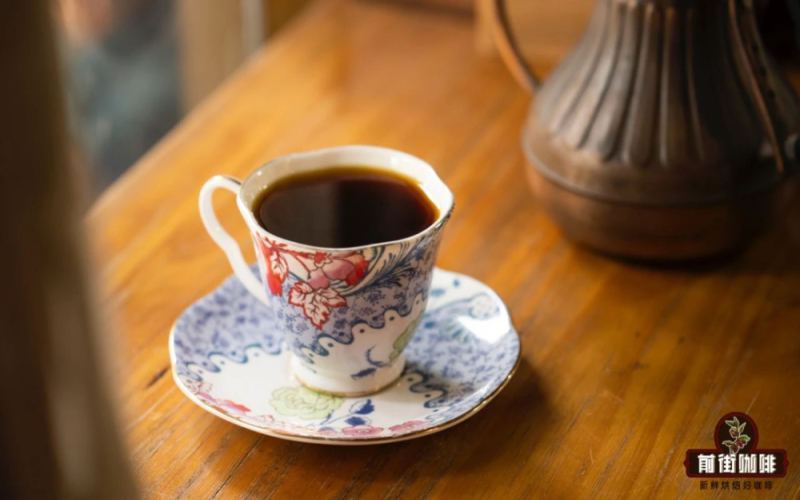
Where does the sweetness in pour-over coffee come from? Medium roasts and honey-processed or natural beans are more likely to present it, with three high-sweetness beans from Front Street and one-pour over brewing parameters.
Many people are moved by a cup with pronounced sweetness when drinking pour-over coffee, yet where that sweetness actually comes from and what kind of beans are more likely to brew sweet are often overlooked. Green coffee beans themselves contain sugars and amino acids, which are transformed into the sweetness we perceive in the cup only after the Maillard reaction and caramelization during roasting. This article first sorts out the sources of coffee sweetness and its distribution in taste, then, starting from roast level and processing method, explains why medium-roast, honey-process, and natural beans tend to have more prominent sweetness, and recommends three high-sweetness beans: Front Street Colombia Sidra, Front Street Strawberry Candy, and Front Street Panama Butterfly. Finally, using Huakui as an example, it demonstrates how to brew sweetness with a water temperature of 94°C, a coffee-to-water ratio of 1:16, and a one-pour V60 method. [more…]